

Hangzhou releases first biodiversity white paper highlighting 16,000 species
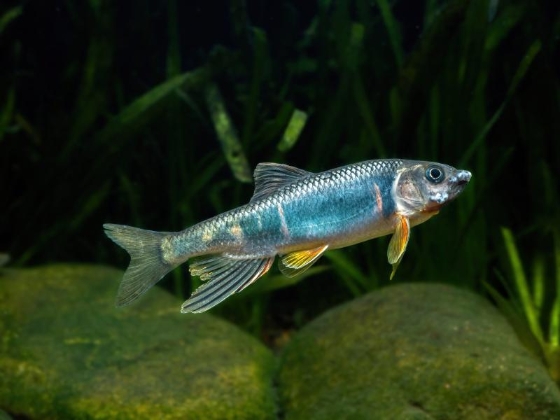
Tiaoxilie, also known as Zacco tiaoxiensis, is sighted in the Tiaoxi River, the mother river of Yuhang district, Hangzhou. [Photo/hangzhou.com.cn]
The Hangzhou municipal government released its first white paper on biodiversity protection on May 22, International Day for Biological Diversity, detailing the city's achievements in this area.
The white paper reveals that from 2020 to 2023, a comprehensive biodiversity survey recorded over 16,000 species in Hangzhou. This includes 4,868 terrestrial higher plants, 689 terrestrial vertebrates, 6,967 insects, 1,428 large fungi, and 2,055 freshwater species. Five new species were discovered, along with 11 species new to China.
Additionally, the survey highlighted 194 traditional techniques and 47 cultural practices related to the sustainable use of biological resources. Economic benefits have been generated from local specialties like West Lake Longjing tea and Qiandao Lake fish.
Hangzhou has also developed numerous biodiversity experience sites, including four at the provincial level and nine at the municipal level, promoting public engagement in biodiversity conservation.
In the past five years, Hangzhou has hosted over 1,100 biodiversity-related events and more than 200 educational trips. Four of Hangzhou's initiatives have been recognized globally as exemplary biodiversity-related initiatives, underscoring the city's commitment to protecting its rich ecological heritage.
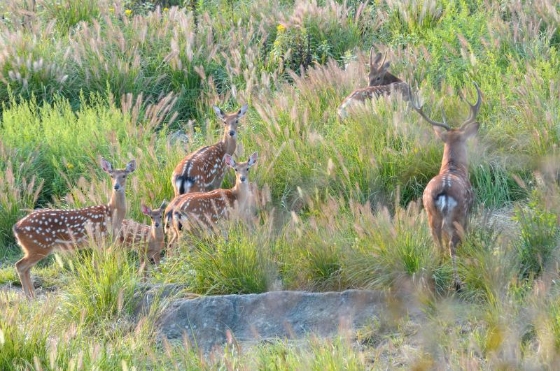
A herd of South China sika deer is spotted in Hangzhou. [Photo/hangzhou.com.cn]

-

Visionary Pathway - Hangzhou Playbook
July 15, 2025