

From labs to everyday life: Hangzhou's AI moment
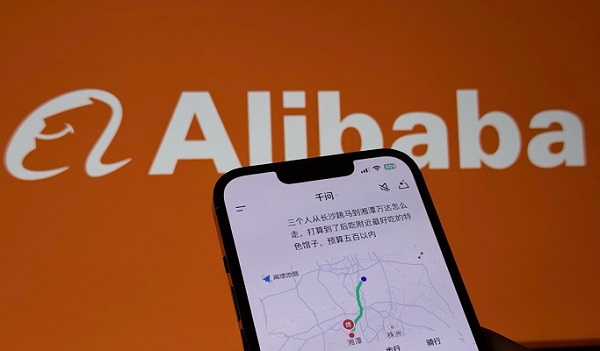
Qwen is able to help users find restaurants and plan trips. [Photo/Qwen]
Hangzhou is rapidly turning artificial intelligence from a laboratory technology into an everyday tool, cementing its rise from China's digital economy capital to a leading AI innovation hub.
In January, Alibaba's Qwen app, built on the Qwen large language model, rolled out AI shopping features across Taobao, Alipay and Fliggy — one of the world's first real-world deployments of conversational AI for mass consumers. Users can now complete purchases simply by describing their needs in natural language, marking a major shift from model capabilities to everyday application.
Behind this breakthrough is Hangzhou's lasting AI strategy. From the founding of Alibaba Cloud in 2009 to the launch of Damo Academy and today's globally competitive large models, the city has built a full-stack ecosystem spanning computing power, models and applications. Qwen has open-sourced nearly 400 models across text, vision and multimodal tasks, becoming one of the world's most widely used open-source model families.
More importantly, AI in Hangzhou is deeply embedded in the real economy. In manufacturing, companies such as automaker Geely and furniture manufacturer Kuka use AI to optimize design, scheduling and production. In healthcare, AI-powered triage systems at major hospitals have sharply reduced misregistration and improved efficiency. In public services, AI assists in urban management, transport and environmental sanitation, delivering smarter, less intrusive solutions.
With an open-source, inclusive strategy, Hangzhou-made AI is now used globally, supporting over a million enterprises and institutions across the finance, energy, automotive and recruitment sectors. As AI revenue and industrial output continue to grow at over 20 percent annually, Hangzhou is shaping a model where cutting-edge technology translates into accessible productivity — bringing AI from the cloud to the ground, and from Hangzhou to the world.
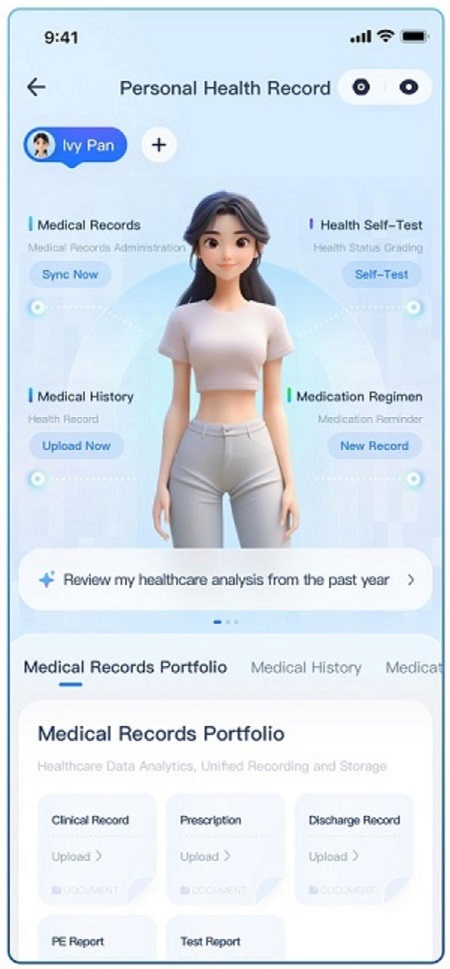
The user interface of the Anzhen'er app, a digital health companion pioneering new models of healthcare services. [Photo/Anzhen'er app]
-
Hangzhou exports rank 8th nationwide in 2025
January 27, 2026
-
Hangzhou's GDP hits 2.3 trillion yuan in 2025, up 5.2%
January 22, 2026
-
Hangzhou enters two sessions season as key five-year agenda takes shape
January 16, 2026
-

Global content creators discover Hangzhou's tech magic
December 2, 2025