

Liangzhu Cultural Corridor links heritage protection with local growth
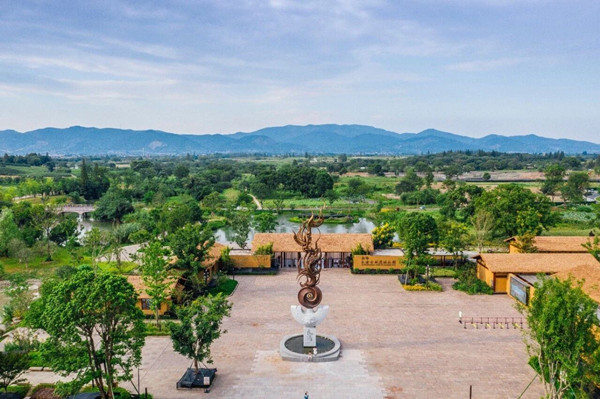
Liangzhu National Archaeological Site Park. [Photo/WeChat account: yhqxwb]
The Liangzhu Cultural Corridor in Hangzhou, Zhejiang province, is emerging as a model for integrating world heritage protection with regional development ahead of the fourth Liangzhu Forum, scheduled for Oct 18 to 20.
At a cultural exchange event in Beijing, experts from Zhejiang and Beijing discussed how the corridor balances preservation with residents' needs and economic growth.
Fourteen administrative villages lie within the Liangzhu heritage area, where strict construction limits can constrain local development. To address this, the corridor has introduced relocation programs for residents and a mechanism allowing village collectives to earn rental income from properties built outside protected areas, with some villages developing sports and leisure businesses on unused land.
Building on the Liangzhu cultural brand, the corridor has attracted more than 1,000 cultural and creative enterprises above the designated size — those with annual revenue of at least 20 million yuan (about $3 million) — and developed industries involved in digital cultural products, animation, and design. In the first half of this year, it added 50 such enterprises, with their combined revenue exceeding 89.1 billion yuan, up 37 percent year-on-year.
Cultural trails and scenic routes also connect the ancient city ruins, outer dams, and surrounding villages, making heritage more accessible to residents and visitors alike.
The corridor aims to protect archaeological sites while allowing communities to share in the benefits of cultural development.
-

Three days to go: Rediscover civilization's origins
October 15, 2026
-
Global Digital Trade Expo
September 24, 2026
-
2026 Apsara Conference explores AI's expanding role across industries
September 23, 2026
-
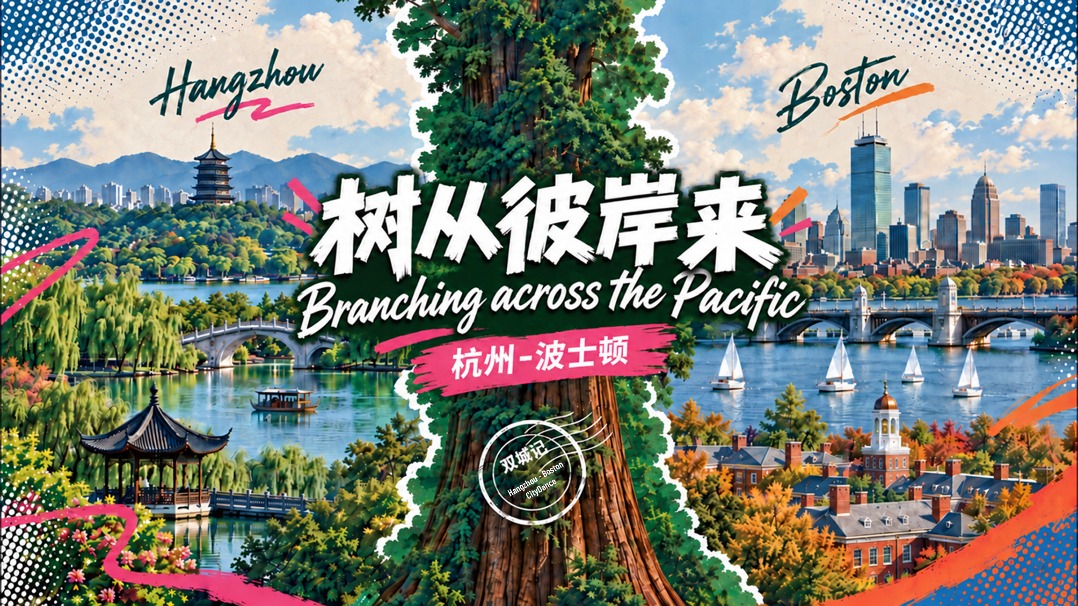
Branching across Pacific: Hangzhou and Boston
September 23, 2026