

Shenjiali Site reveals life in Xiaoshan 7,000 years ago
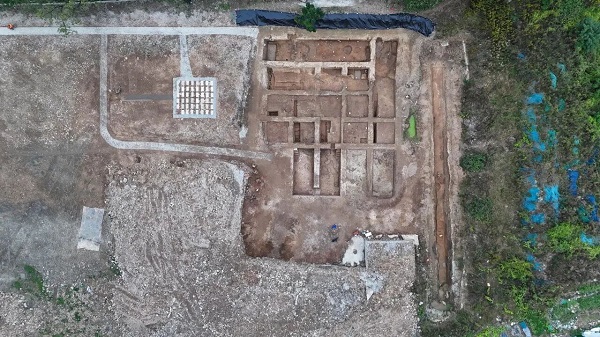
An aerial view of the Shenjiali Site. [Photo/Xiaoshan Museum]
The Shenjiali Site in Xiaoshan, Hangzhou, is offering important new clues about how local communities lived some 7,000 years ago.
Located on the eastern shore of Xianghu Lake, at the transition zone between foothills and coastal plains, the site covers roughly 15,000 square meters and preserves rich layers of prehistoric and historical remains.
Since 2023, three seasons of excavation have covered 650 square meters and uncovered well-preserved remains from the Majiabang Culture and Liangzhu Culture.
Findings from the Majiabang period include ash pits, burials, rammed-earth platforms and a stone-tool processing zone, offering a detailed look at early settlement activities. Liangzhu-period remains are dominated by a large stone-tool production area, providing direct evidence of the scale and sophistication of handicraft industries at the time.
The site's unique landscape—bordered by the Qiantang River to the west and north and opening toward the Xiaoshao Plain — suggests that prehistoric inhabitants carefully selected locations that balanced access to waterways, fertile land and natural protection.
Shenjiali is now considered one of the most significant prehistoric discoveries in Xiaoshan. Its rich Majiabang-period sequence fills an important cultural gap after the Kuahuqiao Culture and helps clarify how different groups interacted and evolved across the Hangzhou Bay region and the broader lower Yangtze River area during the late Neolithic period.
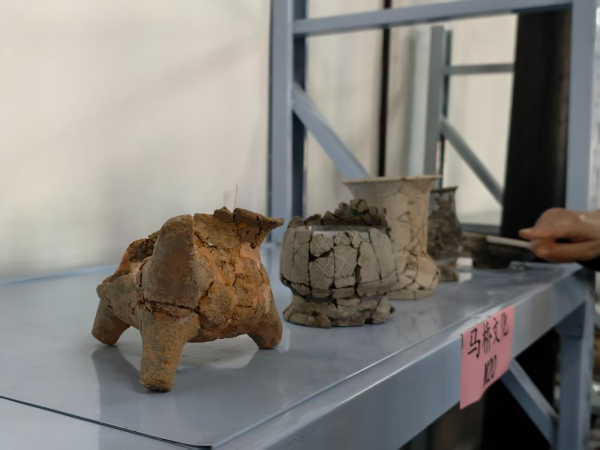
Some relics unearthed from the Shenjiali Site. [Photo/xsnet.cn]
-

The power of planning: Crafting the future, then and now
December 2, 2025
-
Hangzhou reports steady Jan-Oct economic performance
November 26, 2025
-
Global visitors learn Chinese calendar history at Hangzhou museum
November 14, 2025
-

Global content creators discover Hangzhou's tech magic
December 2, 2025