

Hangzhou builds strength in zero waste management
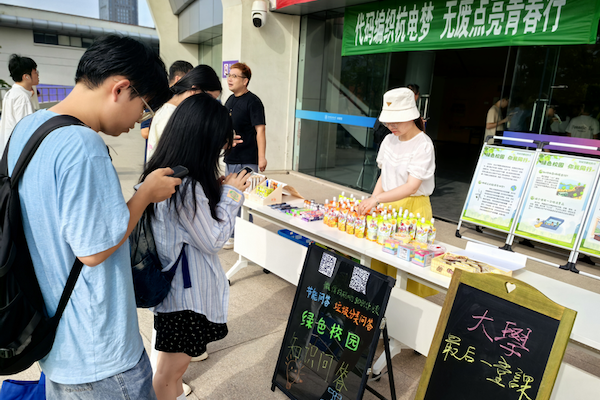
College students are introduced to waste recycling in Hangzhou. [Photo/Tide News]
From neighborhood markets to factories and campuses, the concept of zero waste has become part of daily life in Hangzhou, earning the city a spot among the first batch of UN-backed 20 Cities Towards Zero Waste initiative.
Announced by the UN Secretary-General's advisory board on zero waste, the recognition highlights those cities that are best advancing waste reduction, circular economy practices, and sustainable urban systems. Hangzhou joins Sanya and Suzhou as the three Chinese cities on the list.
Rather than eliminating waste entirely, Hangzhou's approach focuses on minimizing the environmental impact and enabling resource reuse.
The city has built over 3,200 zero-waste cells, including communities and schools, supported by a governance model that combines government guidance, corporate participation, and public engagement, enhanced by digital management tools.
Concrete results are emerging: between 2021 and 2025, daily household waste per capita dropped from 1.06 kilograms to 1.01 kg.
Across the city, innovations range from recyclable packaging and smart recycling machines in markets to zero-waste campuses reducing takeaway plastics, and green manufacturing systems that improve material efficiency.
By embedding sustainability into everyday scenarios, Hangzhou is shaping a scalable model for urban waste governance and circular development.
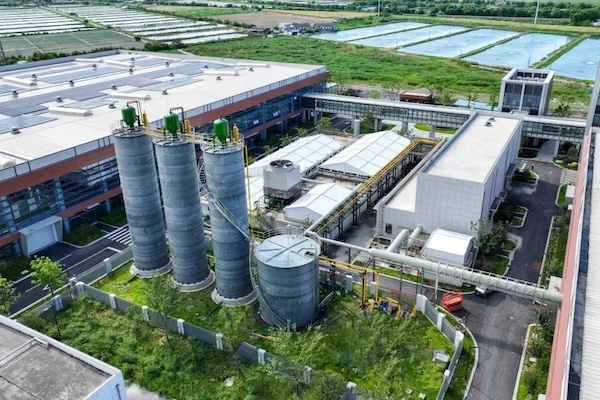
A waste management center in Qiantang district, Hangzhou. [Photo/Tide News]

-

Global content creators discover Hangzhou's tech magic
December 2, 2025