

Hangzhou builds a thriving ecosystem from frontier science to industry
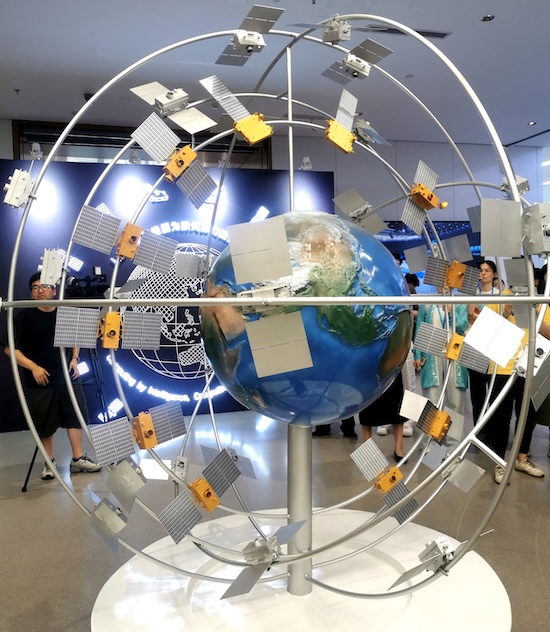
Zhejiang Lab. [Photo/Tide News]
A recent research tour offered a glimpse into Hangzhou's innovation ecosystem, where frontier research and industrial applications are developing hand in hand.
At Zhejiang Lab, researchers are advancing the Three-Body Computing Constellation, bringing AI computing into space. More than 10 satellites have already been launched, with plans to eventually build a constellation of around 1,000 satellites. The project aims to explore applications ranging from Earth observation and meteorology to AI-powered satellite intelligence.
Wang Jian, an academician of the Chinese Academy of Engineering and director of Zhejiang Lab, said AI should not be absent from space because of limited computing power. The constellation is expected to reach a computing capacity of 1 exa-operations per second once completed.
The tour also visited the Hangzhou Institute of Optics and Precision Mechanics in Fuyang district, which focuses on turning advanced optical technologies into commercial products. Its incubator has supported more than 70 companies with a combined valuation exceeding 50 billion yuan ($7.4 billion).
The two institutions represent complementary sides of Hangzhou's innovation ecosystem: one pushes the boundaries of frontier science, while the other helps transform research breakthroughs into industrial applications.
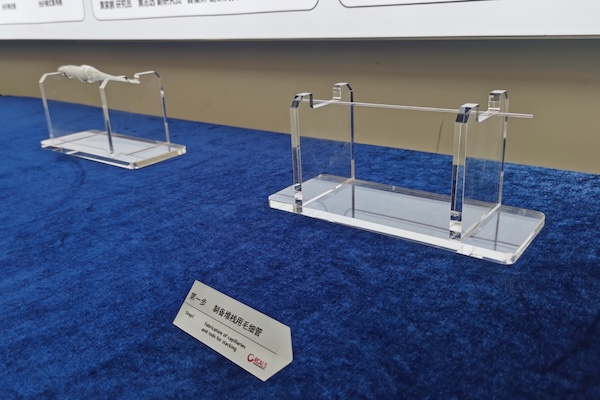
The Hangzhou Institute of Optics and Precision Mechanics. [Photo/Tide News]
-

Robots stepping into real world in Zhejiang
July 31, 2026