

Hangzhou introduces time-based carbon tracking for West Lake Longjing tea
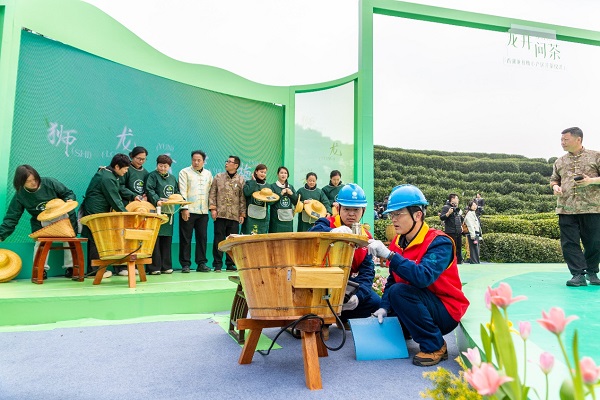
Engineers from the State Grid check a device for tea frying. [Photo by Zhang Yujie/Tide News]
Hangzhou has introduced a time-based carbon ledger for West Lake Longjing tea, enabling consumers to trace the carbon footprint of a single cup of tea through its full lifecycle for the first time.
By scanning a QR code on select packages, buyers can now access data covering emissions from raw materials through production, transportation, distribution, and recycling. The system marks a shift from focusing solely on quality and flavor to one that emphasizes sustainability and accountability.
The initiative aligns with China's broader push for greener industries, as new national guidelines for 2026–30 highlight carbon footprint management as a key direction for upgrading the tea sector.
Hangzhou is also accelerating efforts to build a comprehensive product-level carbon accounting system. Unlike traditional methods that rely on national average emission factors, the new approach uses dynamic, region- and time-specific electricity carbon data, supported by State Grid Hangzhou Power Supply Company, which shows that producing 100 grams of Longjing tea generates about 1.96 kilograms of carbon dioxide, roughly 3.3 percent lower than estimates based on conventional methods.
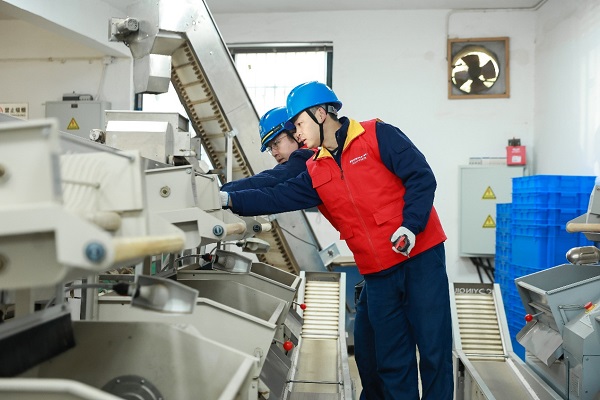
Engineers from the State Grid inspect a tea company. [Photo by Zhang Yujie/Tide News]
-

Global content creators discover Hangzhou's tech magic
December 2, 2025