

Zhejiang textile industry embraces smart manufacturing
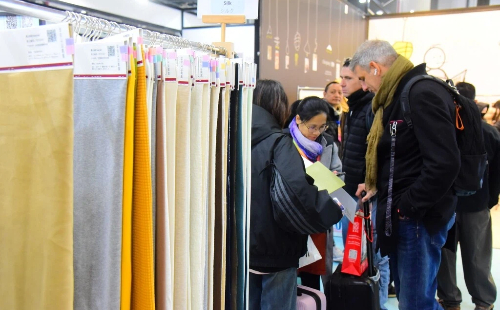
Visitors attend the 35th China (Hangzhou) International Textile and Garment Supply Chain Expo at the Hangzhou International Expo Center in Hangzhou, Zhejiang province, on Dec 4, 2025. [Photo/IC]
Zhejiang province's textile and garment industry generated 1.12 trillion yuan ($162.21 billion) in revenue in 2025, accounting for 25.5 percent of the national total and ranking first in China, as the province accelerated the sector's shift toward high-end, smart, and green development.
With a long industrial history, complete supply chains, and strong cluster effects, the textile and garment industry remains one of Zhejiang's traditional strengths and a major livelihood-related sector. In 2025, textile exports from the province reached $95.33 billion, accounting for 32.4 percent of the national total and also ranking first nationwide.
Zhejiang is promoting upgrading across key textile belts in Hangzhou, Ningbo, Shaoxing, and Jiaxing, encouraging companies to pursue digital transformation and improve the entire industrial chain. The province has positioned the sector as part of its broader push to strengthen advanced manufacturing.
Datang subdistrict in Shaoxing has developed a sock-making industry over the past 50 years. The cluster produces more than 25 billion pairs of socks a year and generates an output value of more than 70 billion yuan. Its production accounts for 70 percent of the national total and about one-third of global output.
Keqiao district in Shaoxing, known as an international textile hub, has also built global competitiveness through a full industrial chain. The district is home to more than 8,000 textile companies and nearly 140,000 workers. Its printed and dyed fabric output accounts for nearly 40 percent of the national total.
At Tongkun Holding Group, a leading chemical fiber producer in Jiaxing, an AI-driven decision platform has become part of daily production management. The system can collect more than 1.5 million process data points in real time and analyze the operating status of more than 25,000 pieces of equipment, helping shift production decisions from experience-based judgment to data-driven management.
Zhejiang has also issued policy measures to support the digital transformation of the textile and garment industry. The province is building an upgrading path that moves from digital workshops to smart factories and then to "future factories".
-
Global Fortune 500 firms eye Hangzhou's robot industry ecosystem
March 23, 2026
-
China's import push offers opportunities
March 16, 2026
-
Global goods expo to boost imports and consumption in Hangzhou
March 13, 2026
-

Global content creators discover Hangzhou's tech magic
December 2, 2025